 |
| Johannes Mehserle |
 |
| Oscar Grant |
BART Police shooting of Oscar Grant
From Wikipedia, the free encyclopedia
| Date |
January 1, 2009 |
|
2:15 AM PST (10:15 UTC) |
|
|
|
|---|
|
Oscar Grant III was fatally shot by
BART police officer Johannes Mehserle in
Oakland, California, United States, in the early morning hours of
New Year's Day 2009.
[1][2] Responding to reports of a fight on a crowded
Bay Area Rapid Transit train returning from
San Francisco,
[3] BART Police officers detained Oscar Grant and several other passengers on the platform at the
Fruitvale BART Station. Officer Johannes Mehserle and another officer were restraining Grant, who was lying face down and allegedly resisting arrest.
[4][5][6] Officer Mehserle stood and, according to witnesses, said: "Get back, I'm gonna tase him."
[7]
Then Mehserle drew his gun and shot Grant once in the back; Mehserle
appeared stunned, put his hands to his head and exclaimed, "Oh, my God!"
During his court testimony, Mehserle said that Grant then exclaimed,
"You shot me!"
[3][4][8] Grant turned out to be unarmed; he was pronounced dead the next morning at
Highland Hospital in Oakland.
[8]
The events were captured on multiple
digital video and
cell phone cameras. The footage was disseminated to media outlets and to various websites, where it was watched millions of times.
[9] The following days saw both peaceful and violent protests.
[10]
The shooting has been variously labeled an
involuntary manslaughter and a
summary execution.
[11] On January 13,
Alameda County prosecutors charged Mehserle with
murder for the shooting. He resigned his position and pleaded not guilty. The trial began on June 10, 2010.
Michael Rains, Mehserle's
criminal defense attorney, argued that Mehserle mistakenly shot Grant with his
pistol, intending to use his
Taser when he saw Grant reaching for his waistband.
[4][5]
Pretrial filings argue that his client did not commit first-degree
murder and asked a Los Angeles judge to instruct the jury to limit its
deliberations to either second-degree murder or acquittal.
Oakland
civil rights attorney
John Burris filed a
$25 million
wrongful death claim against BART on behalf of Grant's family.
[12][13]
On July 8, 2010, the jury returned its verdict: Mehserle was found guilty of
involuntary manslaughter and not guilty of second-degree murder and voluntary manslaughter.
[14] Initial protests against the ruling were peacefully organized; looting, arson, destruction of property, and small
riots broke out after dark. Nearly 80 people were eventually arrested.
[15][16]
On Friday, July 9, 2010, the
U.S. Justice Department
opened a civil rights case against Mehserle; the federal government can
prosecute him independently for the same act under the separate
sovereigns exception to
double jeopardy. The Department of Justice will be working with the
U.S. Attorney's office in San Francisco and the
FBI.
[17]
On November 5, 2010, Mehserle was sentenced to two years, minus time
served. He served his time in the Los Angeles County Jail, occupying a
private cell away from other prisoners. He was released on June 13, 2011
and is now on parole.
[18]
The incident
Background
Oscar Grant had been celebrating
New Year's Eve with his friends on
the Embarcadero in San Francisco, and was returning to the
East Bay in the lead car of a BART train bound for
Fruitvale.
[3][19] BART offered extended service and a special "Flash Pass" for the New Year's Eve holiday.
[8][20] At approximately 2:00 a.m. PST,
BART Police responded to reports that up to 12 people were involved in a fight on an incoming train from the
West Oakland BART Station and the participants were "hammered and stoned."
[3][4][21]
BART Officer Marysol Domenici was first officer on the scene with her
partner, Tony Pirone. Officers removed Grant and several other men
suspected of fighting from the train and detained them on the platform.
Pirone handcuffed Grant's friend, angering other riders.
[3] Pirone then lined up Grant and two other men against the wall.
[3][22]
According to Mehserle's motion for bail, Pirone confirmed with the
train operator that the men detained were involved in the fight.
[5] When five other officers, including Johannes Mehserle, arrived at the Fruitvale station, they found the situation chaotic.
[3][23]
Mehserle's partner on duty, Officer Jon Woffinden, said the "incident
was one of the most frightening he had experienced in his 12 years as a
police officer."
[24]
Mehserle's motion for bail, citing the police investigation, stated:
"Officer Pirone directed Officer Mehserle to arrest two of the
individuals who had not been handcuffed. One of the individuals to be
arrested was Oscar Grant, and Officer Pirone’s direction to Mehserle was
overheard by Grant. Grant, upon hearing that he was under arrest,
attempted to stand up, but was forced to the ground face first. Both
Officer Mehserle and Officer Pirone attempted to restrain Mr. Grant and
to seek his compliance by ordering him to put his hands behind his back
to be handcuffed, but Mr. Grant resisted and refused to submit to
handcuffing. Officer Mehserle was pulling at Mr. Grant’s right hand and
arm, which remained under his torso near his waistband. Mr. Grant had
not been searched by any officer for weapons, either prior to his
initial detention or after being seated near the wall."
A cell-phone video broadcast on local television station KTVU on
January 23 showed what appeared to be Pirone rushing towards one of the
detained men and punching him in the face several times two minutes
before the shooting.
[3][22][25] Grant's family alleges in their civil claim against BART that an officer threw Grant against a wall and kneed him in the face.
[26] The subsequent autopsy showed that Grant's body had no injuries other than that from the bullet wound.
[27]
Pirone's attorney stated that Grant provoked Pirone by trying to knee
the officer in the groin and by hitting Officer Marysol Domenici's arm
when she attempted to handcuff one of Grant's friends.
[28][29] Witnesses testified that Pirone was the aggressor during the incident.
[30] Burris also disputes Pirone's account and claims that Grant and his friends were "peaceful" when the train stopped.
[29] Grant then raised his hands while seated against the platform wall.
[31]
Additional footage from a cell phone was presented in court showing
Pirone standing over the prone Grant before the shooting and yelling:
"Bitch-ass nigger, right?" Pirone and his attorney say he was merely
parroting an insulting epithet that Grant had yelled at him.
[32]
It has been speculated that BART police were "on edge" before the
shooting because two guns had been recovered in separate incidents along
the rail line over the previous hour.
[33]
Immediately before he arrived at Fruitvale, Mehserle was involved in an
incident at the West Oakland station where a teenage boy with a
semi-automatic pistol had fled from police and jumped off the station platform, breaking several bones.
[3]
Fatally shot
While dozens of people shouted and cursed at officers from the
stopped train, Mehserle and Pirone positioned Grant face-down. According
to Pirone, Grant was disobeying instructions and cursing at officers.
[4] Witnesses stated Grant pleaded with BART police not to shock him with a
Taser.
[12] Pirone then knelt on Grant's neck and told him that he was under arrest for
resisting an officer.
[4][22]
Mehserle's motion for bail, citing the police investigation, stated:
Pirone said he told Grant "Stop resisting, you're under arrest, put
your hands behind your back." At that time Pirone said he heard Mehserle
say, "Put your hands behind your back, stop resisting, stop resisting,
put your hands behind your back." Then Mehserle said, "I'm going to taze
him, I'm going to taze him. I can't get his arms. He won't give me his
arms. His hands are going for his waistband." Then Mehserle popped up
and said, "Tony, Tony, get away, back up, back up." Pirone did not know
if Grant was armed. Mehserle had fear in his voice. Pirone had never
heard Mehserle's voice with that tone. Mehserle sounded afraid.[5]
The motion also states that the man sitting next to Grant also told police he heard Mehserle say "I'm going to taze him."
[5]
Mehserle then stood up, unholstered his gun, a
SIG Sauer P226,
[4] and fired a shot into Grant's back.
[31] Immediately after the shooting, Mehserle appeared surprised and raised his hands to his face; according to
Michael Rains, Mehserle's criminal defense attorney, several eyewitnesses described Mehserle as looking stunned.
[4][34] Witnesses say Mehserle said "Oh my god!" several times after the shooting.
[35] and many saw him put his hands to his head.
[36]
The
.40 caliber
bullet from Mehserle's semi-automatic handgun entered Grant's back,
exited through his front side and ricocheted off the concrete platform,
puncturing Grant's lung.
[34][37] According to one witness, Grant yelled, "You shot me! I got a four-year-old daughter!"
[38] Grant died seven hours later, at 9:13 am, at
Highland Hospital in Oakland.
[23]
Initially there was disagreement about whether Grant was handcuffed
before he was shot. Court filings by the district attorney's office say
that Grant's hands were behind his back and that he was "restrained and
unarmed" but do not say he was handcuffed. Video evidence showed Grant
never surrendered his hands, and Mehserle voiced his fear that Grant was
"going for his waistband," where weapons are often kept.
[1][4][39] In addition, the day after the shooting, BART spokesman Jim Allison said that Grant was not restrained when he was shot,
[8] and multiple witnesses testified that Grant refused to give up his hands for handcuffing prior to the shooting.
[40] The family's claim against BART stated that Grant was handcuffed only after he was shot.
[26] The
Los Angeles Times video of the shooting shows that Grant was not cuffed at 2:03 seconds into the video, 5 seconds after the shot was fired.
[39]
BART Officer Marysol Domenici was first officer on the scene with her
partner, Tony Pirone. Domenici testified at the BART incident hearing
that Grant and his friends swore at her and did not obey her orders. She
is quoted as having testified that: "If they would've followed orders,
this wouldn't have happened. They probably would've just been cited and
released." She was terminated by BART on an accusation that she was
untruthful in her statements to transit investigators. On December 18,
2010, it was reported that San Francisco labor arbitrator William Riker
ordered her re-instated with full back pay because there was no basis to
find that Domenici was not telling the truth. Domenici's attorney,
Alison Berry Wilkinson, was quoted as saying that "She [Domenici] has
been vindicated."
[41]
Oscar Juliuss Grant III, (February 27, 1986
[42] – January 1, 2009), lived in
Hayward, California.
[23] Grant had worked as a butcher at Farmer Joe's Marketplace in Oakland's
Dimond District after jobs at several
Kentucky Fried Chicken outlets.
[12] He attended both
San Lorenzo and
Mount Eden High Schools in Hayward until the 10th grade and eventually earned his
GED.
[12]
Grant served two state prison terms for various felonies including a conviction for drug dealing.
[43] In 2007, San Leandro police stunned him with a
Taser to subdue him after a traffic stop, during which Grant threw his loaded pistol into the air and ran.
[12] He was sentenced to 16 months in state prison.
Grant was released from prison on September 23, 2008, and according to the attorney for Grant's family,
John Burris, "had been doing well in recent months;" at the time of the shooting he was still on parole.
[12]
Burris also stated that the criminal conviction and Tasering were
"irrelevant to the BART shooting because Mehserle wasn't aware of it
when he opened fire."
[12][44]
In the
motion for bail, Mehserle's attorney,
Michael Rains, stated that
toxicology testing of Grant's blood revealed the presence of
alcohol (0.02%) and
Fentanyl, a potent pain reliever.
[5] The coroner's bureau said the pathologist's
autopsy protocol would be finalized in March 2009.
[45]
Grant's funeral was held at the Palma Ceia Baptist Church in Hayward on January 7, 2009.
[46] Grant's mother, sister, daughter, and girlfriend (his daughter's mother) filed a
wrongful death claim against BART following his death.
Johannes Mehserle
The oldest of three children, Johannes Sebastian Mehserle (born in Germany
[47] c. 1982) was raised in the
Bay Area from the age of four.
[4] He graduated in the class of 2000 from
New Technology High School in
Napa, California. He attended college in Napa, in Monterey, and at
Sonoma State University,
where he majored in business, and he developed an interest in police
work through a friend who was a police officer. He went on to graduate
from
Napa Valley College Police Academy in 2006, where he placed in the top five of his class academically and placed well physically.
[36][48] Mehserle's girlfriend gave birth to their first child on the day after the shooting, on January 2, 2009.
[48][49]
Mehserle joined the Bay Area Rapid Transit (BART) Police in March 2007.
[48] During the less than two years prior to the shooting, he had never been the subject of a sustained complaint from BART's
internal affairs department
[50]
Since the shooting, a Bay Area man has complained to the media that
Mehserle had beaten him on November 15, 2008; Mehserle's police report
on the incident states that four officers grabbed the man after he
yelled threats and assumed a fighting stance.
[51]
The accuser, who has served time for theft and burglary, was taken to
the hospital for chest and facial injuries and was later booked into
jail for resisting arrest. He has not filed a formal complaint against
BART.
[51]
Mehserle submitted to drug and alcohol testing per BART's standard operating procedure.
[31] The results showed no drugs or alcohol in his system.
[36]
He retained a criminal defense attorney and refused to speak to the
authorities, invoking the Public Safety Officers Procedural Bill of
Rights Act (California Government Code section 3300-3313)
[52] and the
Fifth Amendment, claiming potential self-incrimination.
[49][53]
On January 5, 2009, Mehserle's attorney postponed a scheduled meeting
by BART investigators, seeking to defer it until the following week.
BART Police administration and investigators did not allow this and
commanded him to attend an investigative interview on January 7.
Mehserle did not attend. Instead, his attorney and his BART Police
Officers Association union representative arrived and submitted his
resignation letter.
[48][54]
Mehserle and his family received a number of death threats after
videos of the shooting appeared, and he moved at least twice; his
parents have also left their Napa home because of death threats to the
family.
[48][49]
Aftermath

Protesters holding signs while walking in the streets on January 8, 2009.
Police in
riot gear were dispatched and made efforts to
disperse the crowds. During the course of the evening, among other peaceful protest tactics, some of the protesters turned to
rioting and rampant
property vandalism.
Black Bloc and other rioters smashed hundreds of car and shop windows,
[55]
several private cars and numerous trash containers, and dumpsters.
Public buildings such as the Oakland Police Internal Affairs office and
almost restored Fox Theatre were heavily vandalized.
[56]
The rioting wound down later in the evening and resulted in at least
105 arrests for suspicion of various offenses. Over 300 businesses were
affected by the vandalism.
[57]
The shooting and the subsequent riots were covered in regional, national,
[31] [58] and international news.
[59][60][61]
Video images of the shooting were widely broadcast and streamed online
in the days following Grant's death. Several hundred thousand viewed the
videos in the first few days after the incident.
[62] Widespread dissemination of the
direct evidence of the shooting led to public outrage and protests and fueled riots.
[63] The riots highlight the impact technology can have on news events.
[9]
Community members and activists decried the shooting incident as yet another case of
police brutality.
There was a broad public perception that BART Police and the Alameda
County District Attorney's office were not conducting an effective
investigation.
[citation needed] Others were angry that Mehserle allegedly did not cooperate with Police and District Attorney's Office investigators.
[64]
Fruitvale protest and march; downtown rioting
On January 7, 2009, protests over the shooting and administration of
justice began peacefully about 3:30 p.m. with about 500 people gathering
at the Fruitvale station.
[65]
In the early evening, some of the protesters marched toward Oakland's
central business district and downtown. Over 200 Oakland police officers
were dispatched in an attempt to disperse the protesters. Police
roadblocked streets and diverted vehicle and foot traffic.After entering the
central business district
the march continued to BART Police command and control headquarters at
8th & Madison streets near the Lake Merritt BART station.
Once at BART Police Command and Control, a contingent of angry
protesters surrounded a police car. The officer driving the car fled on
foot.
[66]
Meanwhile, the rioters broke out the cruiser's windows and attempted to
overturn it. A line of police wearing gas masks swept up behind the
rear of the march and deployed tear gas in an attempt to disperse the
crowd.
[66]
The protest continued as the crowd marched along 8th Street through
Chinatown. At Broadway, officers wearing gas masks deployed more tear
gas canisters and acted quickly to charge and disperse the crowd as they
approached the vicinity of Oakland Police headquarters at 7th and
Broadway.
[citation needed]
The protest regrouped downtown at the intersection of 14th and Broadway, blocking motor vehicle traffic.
[67]
Some of the protesters lay face down in the intersection, in a symbolic
act of solidarity with Grant, who was killed in the same position.
[66] Others shouted at police and chanted in unison. Others carried signs that read, "Your idea of justice?" and "Jail Killer Cops"
[66] and lit candles in remembrance of Grant.
Police in helmets and gas masks grouped in standing line formations
on the south, west, and north sides of the intersection, allowing an
avenue of retreat down 14th Street on the East side of the intersection.
[66]
About an hour later Police gave orders to disperse and fired
tear gas grenades, rubber bullets,
[68] and other "
less lethal" weapons and devices at demonstrators.
[69] Protestors threw bottles, rocks, and other objects at police.
[70] Police pushed the crowd east along 14th Street into the
Lakeside Apartments District and the scene dissolved into a
riot along the 14th Street spine.
Numerous helicopters which had been airborne throughout the evening,
converged on the area. Law enforcement helicopters shined powerful
spotlights down onto surface streets,
[71]
while media helicopters shot video of developments from overhead, which
were broadcast in real time on local television stations.
In the ensuing hours, a small clutch
[72]
of rioters burned the contents of trash cans, dumpsters, newspaper
boxes and set fire to at least five cars, including an Oakland police
patrol car.
[73] Some rioters jumped from parked car to parked car, smashing in the front and rear windshield like crushed eggshells
[73] The riot spread deep into the
Lakeside Apartments District
and cars were burned and heavily damaged on Madison Street. Other
rioters in this clutch broke storefront windows, to include those of a
McDonalds fast food restaurant at Jackson and 14th Streets in the
Lakeside Apartments District.
The night of the riot coincided with trash collection day the following
morning and numerous trash dumpsters and containers were parked
curbside. Rioters used these dumpsters to start fires along city
streets.
[74]
Rioters damaged some of the carefully restored historic woodwork and
terra cotta on the nearly restored Fox Theater. Damage to the Fox was
preliminarily estimated at $10,000 to $20,000.
[73]
Dellums' appearance and rioting flare up
As the rioting moved east toward Lake Merritt, Oakland Mayor
Ron Dellums
and Larry Reid held an impromptu press conference at 14th and Jackson
Streets, along the spine of the rioting, and called for the crowd to
disperse peacefully.
[66]
Dellums peacefully marched with the crowd back West along 14th Street
to the steps of City Hall, where he attempted to address the crowd, but
cut the meeting short and entered City Hall after the crowd became
agitated, began booing, and shouted Dellums down.
After Dellums entered City Hall with his own delegation, locking the
doors behind him, the demonstrators continued through City Hall Plaza,
with angry splinter groups of rioters smashing the windows of
Oakland Police Department's
Internal Affairs and Recruiting Office at the East side of 250 Frank
Ogawa Plaza. Windows of police cruisers parked outside the offices were
also smashed.
The protesters continued east along 17th Street into the 17th Street Commercial District in
Oaksterdam, crossing Broadway and Franklin, where rioters broke numerous storefront windows,
[71] and continued back into the
Lakeside District, lighting discarded
christmas trees on fire. Police continued their efforts to disperse the crowds, and rioting continued on Broadway Downtown.
Denouement and subsequent media coverage
The rioting wound down around 10:40PM
[66]
in the vicinity of 20th and Broadway outside of the Paramount Theater,
where police detained around 80 individuals for various offenses. Most
were cited and released for complaints which include inciting a riot,
vandalism,
assault on a police officer, and
arson. Police recovered two handguns from the rioters.
[75] Around 120 people in total were arrested for offenses arising from the protests during the course of the evening.
[76] Two have been charged to date.
The
Lake Merritt and
12th Street BART stations were temporarily shut down during the evening.
Numerous media photographers and videographers, both affiliated and independent,
[77] filmed the scene from close proximity on the ground.
[78] Media helicopters shot video of developments from overhead, which were broadcast in real time on local television stations.
[79]
Reaction from the business community and city officials
The riots have augmented the perception of crime in Oakland, adding
to last year's run of takeover robberies, and are a challenge to
overcome for greater economic investment.
[80]
The Dellums administration held a press conference in City Hall Hearing
room 4 on January 8, and decried the riots as regressive. Dellums noted
there were riots in the streets of Oakland 40 years ago "and here we
are, still smashing cars.
[81]
Dellums noted that people were upset and had "lost faith in the
process" because of what he called lack of communication by BART
officials and the district attorney's office in the days after Grant was
killed. BART has also been criticized for not ordering Mehserle to
speak to internal affairs earlier.
[82]
Criminal trial
On January 12,
Alameda County District Attorney
Tom Orloff filed a complaint for
murder
and an Alameda County Superior Court Judge then signed a fugitive
arrest warrant. Mehserle was arrested January 13 at a friend's home in
the
Zephyr Cove, Nevada, area near
Lake Tahoe where his attorney said he had gone after receiving death threats in the Bay Area.
[1] Mehserle waived
extradition, and was held in
protective custody at the Santa Rita jail in
Dublin, California.
[1] Mehserle pleaded not guilty at his arraignment January 15.
[83] On January 30, Alameda County Superior Court Judge Morris Jacobson set
bail for Mehserle at $3 million.
[4] A week later, with the help of fundraising from the police union,
[84] Mehserle posted bail.
[85]
Alameda County District Attorney Tom Orloff refused to speculate
whether Mehserle would be charged with first or second degree murder,
saying "What I feel the evidence indicates is an unlawful killing done
by an intentional act and from the evidence we have there's nothing that
would mitigate that to something lower than a murder."
[86][87] Orloff noted Mehserle's refusal to explain himself as a reason for charging him with murder, rather than
manslaughter.
[1] Orloff said he would fight any motion to
change venue for the trial.
[1]
Mehserle retained
Pleasant Hill criminal defense attorney Michael Rains, who previously successfully represented one of the
Oakland Riders.
[88] Before Mehserle retained Rains, Rains told the
Associated Press
that it could be difficult to prosecute Mehserle for murder because the
law discourages "second-guessing and hindsighting" of police officers,
who tend to be favorably viewed by juries.
[89] Mehserle's defense was paid for by a statewide fund for police officers.
[88]
Bail hearing
At a January 30 bail hearing, Rains told the court that Mehserle had
only carried a Taser for a few shifts prior to the January 1 shooting
and mistakenly deployed his service weapon when he thought Grant was
reaching for a gun.
[4] Rains stated "Mr. Grant was actively, actively, actively resisting arrest"
[43] and that some witnesses heard Mehserle say "Get back, I'm gonna taze him."
[7]
Rains said he plans to call witnesses who will show "there was a level
of resistance by Oscar Grant and others that will negate malice".
The prosecutors' theory of the case is that the video evidence shows
that Mehserle deliberately reached for his weapon. They argued: "What we
see in the video is an officer releasing his control of a suspect,
standing up, drawing his weapon, with some difficulty, and shooting it."
[7]
Jacobson agreed in deciding to set bail at $3 million that Mehserle's
claim of Taser confusion was inconsistent with his earlier statement to a
fellow officer and that Mehserle might be changing his story.
[4] He later imposed a
gag order
on attorneys and investigators in the case, prohibiting them from
releasing future filings or otherwise commenting to the press.
[90]
Preliminary hearing
Rains argued during the preliminary hearing that Mehserle lacked the
malice necessary for a murder charge and that he intended to tase Grant.
A BART officer testified saying Grant and his friends yelled
profanities and did not obey her orders to sit down moments before
Mehserle fired at Grant. She said she was fearful when she heard taunts
coming from Grant, his friends, and passengers on the train.
[91]
After the seven days of testimony, Judge C. Don Clay concluded that
Mehserle had not mistakenly used his service pistol instead of his stun
gun. The judge based this on Mehserle's statements to other officers
that he thought Grant had a gun. He also noted that Mehserle had held
his weapon with both hands when he was trained to use just his left if
he was firing a Taser.
[92] Mehserle faced up to life in prison if convicted of first-degree murder.
[93]
In a supplemental motion filed Rains argued that Judge Clay should
take a second look at a ruling that barred him from presenting evidence
about Grant's criminal background as well as a ruling that barred him
from presenting evidence that Mehserle told a fellow officer just before
the shooting incident that he planned to use his Taser on Grant. He
protested that "Both rulings amount to grave errors under longstanding
and never-questioned California authorities" and alleged that they
"substantially interfere with Mehserle's federal due process right to
defend against the murder charge."
[94]
Rains had also failed to convince Judge Clay to remove District
Attorney Tom Orloff's office from the case. Rains claimed Orloff
violated his client's rights because he ordered two Oakland police
officers to try to interview Mehserle after he was arrested even though
Orloff knew Mehserle had an attorney. Judge Clay said Orloff's actions
did not prove a bias nor did it meet the requirements necessary for him
to be taken off the case.
[95]
Plea and jury selection
On June 19, 2009, Mehserle pleaded not guilty, and the jury trial was
scheduled to begin in October. Mehserle's attorney Michael Rains sought
a change of venue of the trial on the grounds that there would not be
an impartial jury in Alameda County.
[96] Citing extensive media coverage and social upheaval, the judge agreed.
[97] Rains's request was honored on October 16, and downtown Los Angeles was chosen on November 19.
[98]
Los Angeles County Judge Robert J. Perry was assigned to the case. He signaled that he would not allow cameras in the courtroom.
[99]
There was a hearing on February 19, 2010 to address two issues.
Mehserle's bail was not reduced as requested by the defense. The judge
also rejected a motion to remove Alameda County prosecutors from the
case. Rains had argued that prosecutors and detectives acted
inappropriately when they interviewed Mehserle earlier in the case.
Another hearing was set for March 26.
[100]
Mehserle's attorney is expected to argue that his client did not
commit first-degree murder and has asked the judge to instruct the jury
to limit its deliberations to either second-degree murder or acquittal.
Rains wrote that Mehserle will not argue the killing was conducted in
the heat of passion or in self-defense. Rains also argues that
prosecutors have shown no evidence that the fatal shooting is either
voluntary or involuntary manslaughter.
[101]
On May 7, Judge Perry granted a motion by defense to discuss Grant's conviction for possessing a gun and evading arrest.
[102]
Perry formally selected the jury on June 8. The 12-member jury consists
of eight women and four men; of these jurors, seven were white, four
Hispanic, and one Asian. Of the alternates, there were five women and
one man with three Asians, two whites, and one Hispanic. It is alleged
that six of the jury have law enforcement connections.
[103] Grant's family expressed outrage at the absence of blacks in the jury.
[104]
The day before the trial began, Deputy District Attorney David Stein
revealed a photo that Grant took of Mehserle with a cell phone camera.
The photo showed Mehserle pointing a Taser at Grant.
[105]
Taser confusion
Several experts who observed video evidence suggested Mehserle might have confused his gun for his Taser
[34][106] causing him to mistakenly believe he was tasering Grant.
[62] If Mehserle thought he was firing his Taser, this could provide a full or partial defense to the
murder charge,
[11][107] depending on whether Mehserle had a legal right to use his taser at all, which was also brought into question.
[4]
Prosecutors allege that paperwork, including a blood alcohol test,
completed by Mehserle after the shooting show that he has changed his
story.
[101]
While there have been previous cases where police officers have
confused guns with Tasers, modern Tasers weigh half as much as handguns.
[11]
The prosecution argues that the position of Mehserle's Taser "in
relation to his duty weapon, combined with the different 'feel' and
color of the two weapons makes it highly unlikely that he would have
mistaken one for the other."
[108]
Burris responded to claims of Taser confusion by arguing that video
evidence did not support the idea of Taser confusion and, in any event,
Mehserle had no reason to fire his Taser.
[4]
Mehserle was wearing his Taser on the left side of his body (on the
opposite side from which he wore his gun) -- but set up for a
cross-body, strong hand (right-hand) draw.
[109]
BART purchased the
Taser X26 stun guns in September, and provided them to officers after six hours of training,
[4] which is the amount recommended by the manufacturer.
[110]
Witness testimony
![[icon]](https://upload.wikimedia.org/wikipedia/commons/thumb/1/1c/Wiki_letter_w_cropped.svg/20px-Wiki_letter_w_cropped.svg.png) |
This section requires expansion. (February 2011) |
- June 14: Carlos Reyes recalled Mehserle saying "Oh shit, I shot him"
after shooting Grant. Grant's former girlfriend, Sophina Mesa,
testified she called Grant while he and his friends were being detained
and he said, "They're beating us up for no reason, I'll call you back."
Deputy District Attorney David Stein believes that Grant's phone call
proves a desire not to resist arrest that night. Cell phone records
showed two calls between Grant and Mesa: at 2:05 a.m. and 2:09 a.m., the
latter just two minutes before Grant was shot.[6]
- June 15: Three eye witnesses of the account testified that neither
Grant nor the other suspects actively resisted the officers at any time.
Each expressed disgust at the behavior from officers preceding the
shooting that night.[6]
- June 22: Jackie Bryson, one of Grant's friends "who was kneeling and
handcuffed just inches from Grant when Johannes Mehserle shot him",
testified for the prosecution. Bryson said that Grant's hands were under
Grant's body and Grant said: "I quit. I surrender." Mehserle then
supposedly said "Fuck this" before shooting Grant. Defense attorney
Rains repeatedly accused Bryson of lying to convict Mehserle and pointed
out a video showing Bryson running towards the train while handcuffed.
Responding to Mehserle's question "You were going to leave your friend
on that platform, weren't you?" Bryson said "I would never leave my
friend." Rains accused Bryson of being inconsistent from statements in
Bryson's lawsuit against BART, and Bryson admitted that he lied to
investigators, distrusted the police, and was frequently stressed after
Grant died.[111]
- June 25: Mehserle took the witness stand. Sobbing, he said that he
thought that he was not holding his gun until he heard a pop and looked
at his right hand. Responding to a question from Rains, he recalled
Grant saying "you shot me" right after the shot went off. Judge Perry
called a recess after Oscar Grant supporter Timothy Killings shouted out
to Mehserle to "save those fucking tears."[112] Killings was later arrested for contempt of court.[113]
Closing arguments and verdict
Judge Perry offered jurors three conviction options: second-degree murder (with a sentence of 15 years to life in prison),
voluntary manslaughter (3 to 11 years), or involuntary manslaughter (2 to 4 years); in addition the jury could have decided to
acquit.
Prosecutor Michael O'Brien said that Mehserle committed a crime
inherently by shooting Grant. Intention meant murder or voluntary
manslaughter, and an accident indicated recklessness on Mehserle's part
and thus involuntary manslaughter. Judge Perry gave two interpretations
of Mehserle's shocked reaction after shooting Grant: either Mehserle
actually wanted to use his Taser or Mehserle realized that many people
were witnessing his action.
[114]
Closing arguments took place on July 1. Expressing a belief that
Mehserle "lost all control" the night he shot Grant and labeled the
shooting as an accident to avoid liability, Deputy District Attorney
David Stein asked the jury to convict Mehserle of second-degree murder.
Defense attorney Rains argued that the shooting was accidental and told
them not to make "some sort of commentary on the state of relations
between the police and the community in this country."
[115]
Jury deliberations began on Friday, July 2, and the jury had the day
off on July 5 because of the Independence Day holiday. On July 6,
deliberations were suspended after one juror left for vacation having
notified the judge in advance, another juror went to a medical
appointment, and another called in sick. One new alternate juror joined
the panel. One juror submitted a question asking whether provocation by
"sources other than the suspect(s)" can make one guilty of voluntary
manslaughter. Stein argued that the jury should be able to consider
outsiders' influence of Mehserle, but Rains disagreed.
[116]
On July 8, 2010, the jury informed the court that they had reached a
verdict by 2:10 p.m. The deliberations with this jury panel totaled six
and a half hours over the course of two days. At approximately 4 p.m.,
the jury found Johannes Mehserle guilty of involuntary manslaughter, and
not guilty of both the second-degree murder and voluntary manslaughter
charges.
[14]
The jury also found Mehserle guilty of a gun enhancement charge that
could add up to ten years to his prison sentence, make him ineligible
for probation, and force him to serve 85 percent of his sentence as
opposed to the 50 percent most state prisoners serve.
[117]
Despite having been free on a $3M bond, Mehserle was remanded into custody after the verdict was read.
[118] The next court date, when sentencing would occur, was set for November 5, 2010.
[119]
When the time of the verdict announcement was announced, many people packed BART trains to leave Oakland, and Interstates
880 and
980 had heavy traffic.
[120]
There were multiple peaceful gatherings held throughout Oakland after
the verdict was announced, and sporadic conflicts were quelled quickly
by the police early in the evening. The protests became more violent as
darkness fell—see "Protests and Violence" below.
A two-page letter written by Mehserle was released after the verdict
in which he said: "no words can express how truly sorry I am."
[121]
Sentencing
Mehserle was originally scheduled to be sentenced on August 6, 2010.
On August 6, sentencing was rescheduled for November 5, so the judge
could hear additional motions in the case.
On November 5, 2010, Mehserle was sentenced to two years with double
credit for time already served, reducing his term by 292 days for the
146 days he has already spent in jail.
[122] The judge overturned the gun enhancement, which could have added an additional 3 to 10 years to the sentence.
[123][124] He was released from prison at 12:01 am on June 13, 2011.
Appeal
On May 9, 2012, nearly 1 year after his release from prison, Mehserle
appealed his conviction to the First District Court of Appeals in San
Francisco. His lawyer, Dylan Schaffer, stated the purpose of this appeal
is to allow Mehserle to return to "police work" which is not possible
with this conviction on his record. They intended to continue to the
state and the U.S. Supreme Court,
[125] but in September 2012, the California Supreme Court unanimously denied review of an appellate ruling upholding the conviction.
[126]
Grant family reaction
In a statement, the Grant family said they were "outraged" that they
were not notified of Mehserle's hearing and claimed they had filed all
the necessary paperwork to be notified of any proceedings regarding
Mehserle. The state Attorney General's Office promised to notify the
family of all future proceedings.
[127]
Video evidence
The incident and subsequent
direct evidence
of the shooting was documented by video cameras held by passengers on
the train idling next to the platform, as police detained Grant and a
number of other men police suspected of being involved in the
disturbance. Several witnesses testified during the
preliminary hearing for Mehserle's trial that they began recording because they believed BART officers were acting too aggressively.
[30] These videos were made available through television news and internet video.
[31]
Oakland attorney John Burris says BART confiscated numerous cell
phone images that he believes contains additional evidence of the
killing.
[128]
Alameda County District Attorney Tom Orloff said video confiscated by
BART was useful in bringing the murder charge against Mehserle.
[129] Witnesses at the scene also claim police attempted to confiscate cameras.
[130][131][132] These claims have not been confirmed by BART police.
[3]
Orloff, the district attorney, said that several passenger videos
that have not been made public were "very helpful" in the investigation.
[1]
On January 2, KTVU aired a video by an anonymous passenger who submitted a cell phone video of the actual shooting.
On January 23, KTVU aired a cell-phone video which appeared to show a
second officer punching Grant in the face prior to the shooting.
[25]
In late February, KRON 4 aired a clip of a video showing a different
angle of this altercation. In the report, former Alameda district
attorney, Michael Cardoza, told KRON that Pirone appears to be
attempting to restrain Grant by grabbing his head and pushing him down.
He also said that Grant appeared to be reaching for Pirone's gun. Burris
responded by calling it a "ridiculous assumption" since Grant was
trying to resolve the problem.
BART spokesperson Linton Johnson described the surveillance footage
from the Fruitvale platform cameras as "benign" and said the platform
cameras had recorded some of the incident, but did not include the
actual shooting.
[23][133]
There has been varying commentary on the video evidence. The trainers
said the scene as shown in the video moments before the shooting would
be as important to understanding what happened as the shooting itself.
"The four officers have to be operating under a high level of stress
given the relatively confined setting and the people on the BART train
who are expressing, in a very loud vocal fashion, their displeasure with
the officers' actions," said Frank Borelli, a
use of force
expert in Maryland. "Those officers, should things go bad for them, are
vastly outnumbered by a group of people who have already voiced their
unhappiness with the police."
[62]
After viewing the shooting from multiple angles, police use-of-force
expert Roy Bedard changed his mind and commented: "I hate to say this,
it looks like an execution to me" and "It really looks bad for the
officer."
[62] University of San Francisco
law professor Robert Talbot said the videos could support a claim of an
accidental shooting: "Nothing about his body looks murderous."
[11] Attorney
Harland Braun, who won acquittal for an officer in the
Rodney King beating, noted that video evidence can be deceptive, and doesn't show what happened before or after an incident.
[11]
Impact of technology
Video images of the incident were widely broadcast and streamed
online. Several hundred thousand viewed the videos in the first few days
after the shooting.
[62] One local television station video posted to its website was downloaded more than 500,000 times in four days
[9] and one independent media video posted to the internet averaged more than 1,000 views per hour.
[62] Widespread dissemination of the
direct evidence of the shooting led to public outrage and protests and fueled riots.
[10]
The case—and the overall intense community response to it—highlights the impact technology can have on news events.
[9]
BART's response
On January 8, 2009, BART's elected directors offered apologies to the victim's family.
[134]
BART later filed a legal response to the lawsuit that claimed that
the shooting was "a tragic accident", and that Grant contributed to the
fatal incident. BART said the officers were "just defending themselves"
and that "Oscar Grant willfully, wrongfully, and unlawfully made an
assault upon defendants and would have beaten, bruised, and ill-treated
them if defendants had not immediately defended themselves."
[135][clarification needed]
BART has also held multiple public meetings to ease tensions.
[136] BART board member Lynette Sweet said that "BART has not handled this [situation] correctly,"
[134]
and called for the BART police chief and general manager to step down,
but only one other board member, Tom Radulovich, has supported such
action.
[137]
The Board of Directors created a transit police department review
committee to review policies and monitor "major police incidents."
[138]
An investigation was launched to determine whether any other officers
should be disciplined. On January 12, investigation results were
forwarded to the district attorney.
[138] The investigation, which interviewed seven police officers and 33 other witnesses,
[139] came to no conclusion and made no recommendations.
[138] The details were forwarded to Meyers Nave, an outside law firm, for an independent investigation.
[140] It was led by Jayne Williams, the former city attorney for
San Leandro, and was estimated to cost $250,000.
[141][142]
In August, the law firm provided two reports to BART but only released
one publicly. The report said officers failed to follow recommended
procedures, failed to work as a team, and had lapses in both tactical
communication and leadership.
[143][144]
The footage of a cell-phone video showing Pirone striking Grant
caused additional responses after KTVU's broadcast in January. BART
General Manager Dorothy Dugger angrily said a "rigorous" internal
affairs investigation would be ordered.
[25]
Later, an attorney representing BART, said that Grant provoked Pirone's
blow by trying to knee Pirone at least twice, "It is our position that
there was a provocation and assault on Mr. Pirone based upon a video
that shows Mr. Grant apparently hitting Mr. Pirone with his knee,"
[135]
On September 22, KTVU reported that Meyers Nave had recommended the
termination of Tony Pirone and Marysol Domenici in its unreleased
report.
[145] After being on leave since the incident, Domenici was terminated on March 24, 2010
[146] but rehired the following December.
[147] Pirone was terminated on April 21 after an internal investigation upheld a finding of misconduct against him.
[148]
Public reaction

Protesters holding signs on January 8, 2009
Protesters organized several demonstrations and marches in the weeks following the shooting and during court hearings.
[149][150] Alice Huffman, state president of the
NAACP, said there was little doubt the shooting was criminal.
[107]
Many reporters and community organizers have stated that racial issues
played a role both in the killing and in the community response.
[151] Grant's family claims that officers used racial slurs during the arrest.
[152] BART Police Chief Gary Gee remarked that the BART investigation had found no "nexus to race that provoked this to happen."
[1]
There was a broad public perception that BART Police were not conducting an effective investigation.
[153] Efforts by BART officers to confiscate witnesses' cellphones during the incident created controversy.
[154] The shooting stirred outrage among political leaders and legal observers; Alameda County Supervisor Keith Carson,
[11] Oakland City Councilmember Desley Brooks (Eastmont-Seminary), and Berkeley
Copwatch labeled the shooting an execution.
[11][155]
Local columnists criticized such language as "inflammatory" and "the
exact opposite of the kind of sane leadership we need and expect from
our elected officials."
[156][157] The fact that the jury contained no African-Americans also served as a point of tension.
[154]
Reason legal commentator
Radley Balko
stated that he found "simply no basis for the accusation that Mehserle
intentionally executed a man in front of dozens of witnesses" and
described the verdict as "appropriate" although not "popular".
[154]
San Francisco
KPFA-FM host J.R. Valrey has made a film “Operation Small Axe” which focuses on the Grant shooting, and also the
Lovelle Mixon case, within the larger context of police brutality in the Bay Area. Valrey is screening the movie around the country in 2010.
[158]
The film was directed and produced by Adimu Madyun and won the 2010
Rise Up Award from The Patois International Rights Film Festival in
New Orleans,
[159] but Varney has also stirred controversy. "The headline for a cover story in the
East Bay Express called Valrey an 'Agent Provocateur'
[160] – a term generally associated with police informants assigned to cause violence," wrote
Temple University associate professor
[161] Linn Washington, Jr. after a
Philadelphia
screening. "That article referred to Valrey as an 'advocacy journalist'
who did things 'no mainstream journalist would do,' like speaking at an
anti-police brutality rally. 'They tried to get the community to turn
against me but I have strong support in the community,' said Valrey, who
[also] serves [as] an editor at the San Francisco Bay View, a black
owned online newspaper," Washington continued.
[158] While in
Washington, DC for a screening, Valrey was accompanied by
Malcolm Shabazz, grandson of
Malcolm X.
Shabazz spoke of "his life since being released from prison for the
arson of his grandmother’s house" in a joint appearance. A blogpost
which reported on the screening connected the title of the film to
Bob Marley's lyric "So if you are the big tree, then we are the small axe."
[162] The post also linked to a recent annotated first-person account of the Shabazz story.
[163]
Protests and violence
Riots
On January 7, 2009 a protest march in Oakland involving about 250 people
[164]
became violent. Demonstrators caused over $200,000 in damage while
breaking shop and car windows, burning cars, setting trash bins on fire,
and throwing bottles at police officers.
[50][164][165][166][73][167] Police arrested over 100.
[50][73] Grant's family pleaded for calm and spoke out against the violence at a press conference the next day.
[164][73][168]
Nevertheless, on January 8, police in riot gear dispersed a crowd of
about 100 demonstrators after some of the protesters stopped vehicles
and threw trash cans in the street.
[169]
A January 14, 2009 demonstration briefly turned violent, and police
arrested 18 people after protesters smashed car and store windows in
Oakland's
City Center district.
[170] Another eight were arrested in a January 30 demonstration after Mehserle's bail hearing, causing Mayor
Ron Dellums to suggest that Mehserle's right to bail should be abrogated to prevent violence in the community.
[171] [172] Oakland Tribune
columnist Katherine Drummond criticized the protestors as
"self-described 'anarchists,' who aren't even from Oakland, and wannabe
Black Panther Party members... playing right into the hands of the defense" by giving Mehserle a plausible case for change of venue.
[171]
On May 18, 2009, 100 protested outside of the courthouse during the
preliminary hearing and then marched to the nearby Oakland Police
Department. A protest organizer was arrested after the group blocked
traffic.
[173]
Protests continued throughout the pretrial process. The hearing on
February 19, 2010 saw 50 protesters with signs outside of the Los
Angeles courthouse.
[174]
An estimated 200 protesters gathered at San Francisco's Embarcadero
BART station on April 8, 2010 to call for the disbanding of the transit
system's police department and the firing of an officer who was on the
scene when Grant was shot.
[175]
On July 8, 2010, following the verdict, protests began peacefully,
[176] and officials commended both the protestors and the police for their demonstrated restraint.
[177]
As night fell, vandals engaged in opportunistic looting of local
businesses, such as The Foot Locker, a bank, and a jewelry store.
[178]
Oakland's police chief was quoted as saying that the people doing
violence did not primarily seem to be Oakland residents protesting the
verdict, but instead were self-styled "anarchists...who are almost
professional people who go into crowds like this and cause problems."
[179] Oakland police arrested 83 people on a variety of charges ranging from vandalism to failure to disperse to assault.
[176] According to the Oakland Police Chief Batts, nearly 3 out of 4 of those arrested during the protest do not live in Oakland.
[180] The
San Francisco Chronicle
reported that many of the rioters who were most aggressive in damaging
Oakland businesses and property were organized white anarchists wearing
black clothing and hoods. An anarchist slogan was painted on one wall
that read "Say 'no' to work. Say 'yes' to looting."
[181]
Some Oakland officials objected to the "anarchist" label, commenting
that the outside agitators seemed to lack any cohesive philosophy and
were simply bent on making trouble.
[182]
Civil action
Oakland attorney
John Burris filed a $25 million wrongful death claim against BART on behalf of Grant's family on January 6, 2009.
[13][31]
In February, he also filed claims for a total of $1.5 million on behalf
of five of Grant's friends who he says were detained without cause for
five hours after the shooting, alleging illegal
search and seizure,
false arrest, and
excessive force.
[21][29] Such claims are prerequisites to a civil lawsuit if BART denies the claim or fails to respond within 45 days.
[13]
Part of a $50 million federal civil rights lawsuit brought by Grant's
family was closed when BART settled with the mother of Grant's daughter
for $1.5 million. Grant's daughter will receive a series of payouts
until her 30th birthday.
[183]
In popular culture
In January 2013, filmmaker
Ryan Coogler premiered
Fruitvale (later retitled
Fruitvale Station),
a dramatization of the last 24 hours in Grant's life; the film
incorporates some of the footage shot by eyewitnesses during the BART
confrontation, and principal photography also included locations in
Oakland, San Francisco, San Leandro, and
San Quentin State Prison. The film was at the center of a distribution bidding war, with rights ultimately acquired by
The Weinstein Company for approximately US$2 million. The film initially screened at the
2013 Sundance Film Festival on 19 January, and the distribution deal was reported and finalized two days later.
[184] Featured in the cast are
Michael B. Jordan as Oscar, and
Octavia Spencer as Oscar's mother, Wanda; the cast also includes
Ahna O'Reilly,
Melonie Diaz,
Chad Michael Murray, and
Kevin Durand; Spencer and
Forrest Whitaker are among the film's producers.
On January 26, 2013, the film won the U.S. Dramatic Grand Jury Prize as well as the U.S. Dramatic Audience Award at the
2013 Sundance Film Festival.
References
- ^ a b c d e f g h Demian Bulwa, Wyatt Buchanan, Matthew Yi (January 9, 2011). "Behind murder charge against ex-BART officer". San Francisco Chronicle.
- ^ "Police officer convicted in California subway shooting". BBC Online. July 9, 2010. Archived from the original on July 10, 2010. Retrieved July 9, 2010.
- ^ a b c d e f g h i j Bulwa, Demian (January 30, 2009). "BART's shooting probe missteps". San Francisco Chronicle.
- ^ a b c d e f g h i j k l m n o p Bulwa, Demian (January 30, 2009). "Skeptical judge grants bail to former BART cop". San Francisco Chronicle.
- ^ a b c d e f "People v. Mehserle, Motion to Set Bail, Case No. 547353-7 (Alameda Cty., Cal.)". The San Francisco Chronicle. 2009. Archived from the original on February 01 2009. Retrieved 2009-02-02.
- ^ a b c Bulwa, Demian (January 8, 2011). "Mehserle blurted term of shock, witness says". San Francisco Chronicle. p. C1.
- ^ a b c Rosynsky, Paul T. (January 30, 2009). "BART shooting suspect's bail set at $3 million". Oakland Tribune.[dead link]
- ^ a b c d Jill Tucker; Kelly Zito, Heather Knight (2009). "Deadly BART brawl — officer shoots rider, 22". San Francisco Chronicle. Archived from the original on January 04 2009. Retrieved 2009-01-05.
- ^ a b c d Elinor Mills (2009). "Web videos of Oakland shooting fuel emotions, protests". CNET Networks. Retrieved 2009-01-09.
- ^ a b Mike Harvey (January 9, 2009). "YouTube video fuels US riots over killing of Oscar Grant". London: The Times. Retrieved 2009-01-08.
- ^ a b c d e f g Bob Egelko (January 15, 2009). "BART shooting draws Rodney King case parallels". San Francisco Chronicle.
- ^ a b c d e f g Bulwa, Demian; Lee, Henry K. (January 7, 2009). "BART shooting victim's family files claim". San Francisco Chronicle.
- ^ a b c "BART Shooting: Family Suing BART For $25 Million". KTVU. 2009. Archived from the original on January 16, 2009. Retrieved 2009-01-04.
- ^ a b Bulwa, Demian (July 8, 2010). "Mehserle convicted of involuntary manslaughter". San Francisco Chronicle. Archived from the original on July 11, 2010. Retrieved July 8, 2010.
- ^ Yoo, Aileen (July 9, 2010). "The Scavenger : Raw footage: Oakland cops in riot gear, Foot Locker spree, snatched bedding". The San Francisco Chronicle.
- ^ "Mehserle Verdict Protest Turns Ugly; 78 People Arrested". KTVU.com. July 9, 2010. Archived from the original on July 14, 2010. Retrieved 2010-07-09.
- ^ "Justice Department To Investigate BART Shooting". Archived from the original on July 12, 2010. Retrieved July 9, 2010.
- ^ Bulwa, Demian (July 13, 2011). "Johannes Mehserle, ex-BART officer, leaves jail". The San Francisco Chronicle.
- ^ "Family Files Claim In BART Shooting; Officer ID'd". KPIX-TV. 2009.[dead link]
- ^ "New Year's Eve flash pass, service adjustments, for holiday travelers". BART. 2009. Archived from the original on February 06 2009. Retrieved 2009-02-03.
- ^ a b Maher, Sean (February 4, 2009). "Witnesses to shooting file claim against BART". Oakland Tribune. Retrieved 2009-02-12.
- ^ a b c Lagos, Marisa (January 25, 2009). "Video shows another BART cop hitting passenger". San Francisco Chronicle.
- ^ a b c d Jill Tucker (January 3, 2009). "No cuffs on man shot by officer, BART maintains". San Francisco Chronicle. Archived from the original on January 05 2009. Retrieved 2009-01-09.
- ^ Mehserle Preliminary Hearing To Resume KCBS May 25, 2009
- ^ a b c "Video Shows Second Officer Punching Grant". KTVU. January 23, 2009.
- ^ a b "$25 million claim by family of man killed by BART police". San Jose Mercury News. January 6, 2009.
- ^ "Pathologist: Grant Could Not Have Survived Wound". KTVU. Retrieved 2013-07-19.
- ^ Egelko, Bob; Marisa Lagos (January 28, 2009). "Lawyer: Cop who hit BART victim was provoked". San Francisco Chronicle. Archived from the original on February 09 2009. Retrieved 2009-02-01.
- ^ a b c Upton, John (February 5, 2009). "Passengers file claim against BART". San Francisco Examiner. Retrieved 2009-02-05.
- ^ a b Rosynsky, Paul (May 19, 2009). "Videos spur emotion in first day of hearing for BART killing". Bay Area News Group. Retrieved 2009-05-19.
- ^ a b c d e f Eliott C. McLaughlin; Augie Martin, Randi Kaye (January 7, 2009). "Video of California police shooting spurs investigation". CNN. Archived from the original on February 13, 2009. Retrieved 2009-01-07.
- ^ Matier, Phillip; Andrew Ross (June 29, 2009). "BART 'N-word' bombshell waiting to go off". The San Francisco Chronicle. Retrieved 2009-10-28.
- ^ Damian Bulwa (January 9, 2011). "BART appeals for calm as footage shows shooting". San Francisco Chronicle.
- ^ a b c Petti Fong (January 10, 2009). "Was shooting a fatal error?". Toronto Star.
- ^ Former BART Officer Johannes Mehserle Will Be Tried for Murder Kron4 June 4, 2009
- ^ a b c Mehserles Motion For Bail sfgate pdf file
- ^ Eliott C. McLaughlin; Augie Martin, Dan Simon (2009). "Spokesman: Officer in subway shooting has resigned". CNN. Retrieved 2009-01-05.
- ^ "Man's Fatal Shooting by San Francisco Subway Police Prompts Probe, Plans for $25M Lawsuit". FoxNews.com. January 6, 2009.
- ^ a b "Court releases dramatic video of BART shooting". YouTube. June 24, 2010. Retrieved 2011-02-22.
- ^ "MOTION TO SET BAIL". The San Francisco Chronicle. Archived from the original on February 13 2012.
- ^ Associated Press, Terry Collins, Marin Independent Journal, December 18, 2010, page A2
- ^ "Protesters Mark Oscar Grant's Birthday". KTVU. 2009. Archived from the original on March 04 2009. Retrieved 2009-03-04.
- ^ a b Attorneys Spar Over Whether Grant Was Resisting Arrest KTVU May 20, 2009
- ^ "Oakland: Rally held at BART headquarters to protest fatal shooting". KPIX-TV. 2009. Retrieved 2009-01-09.[dead link]
- ^ KTVU.com (January 9, 2009). "BART GM: 'Finish Investigation By Next Week'".
- ^ "Services set for man fatally shot by BART police officer". Associated Press. 2009. Retrieved 2009-01-07.[dead link]
- ^ Cecilia Vega (June 24, 2010). "Mehserle takes the stand in Grant murder trial". KGO-TV San Francisco, CA.
- ^ a b c d e Jim Doyle (January 10, 2009). "BART cop recalled as 'gentle giant' as a kid". San Francisco Chronicle.
- ^ a b c Phillip Matier; Andrew Ross (January 7, 2009). "M&R: Death threats against BART officer". San Francisco Chronicle.
- ^ a b c Henry K. Lee (January 10, 2009). "3 charged in protest over BART shooting". San Francisco Chronicle.
- ^ a b Steve Rubenstein (2009). "Another BART rider alleges beating by police". San Francisco Chronicle.
- ^ Will Reisman (2009). "More than 100 arrests made during protest". The San Francisco Examiner.
- ^ "Officer In Fatal Shooting Resigns From BART Police". KTVU. 2009. Archived from the original on January 16, 2009. Retrieved 2009-01-07.
- ^ "BART police officer who fatally shot man resigns". San Jose Mercury News. 2009. Retrieved 2009-01-07.
- ^ and burned a police car,
- ^ Carolyn Jones (January 9, 2009). "Oakland storekeepers tell of night of terror". San Francisco Chronicle. Archived from the original on January 16, 2009. Retrieved 2009-01-10.
- ^ Laura Anthony (January 8, 2009). "Oakland businesses vandalized by rioters". KGO TV. Retrieved 2009-01-10.
- ^ USA Today Staff (January 9, 2009). "Oakland shooting fuels anger over police brutality". USA Today. Retrieved 2009-01-11.
- ^ "Family of man shot in back by police sue for $25m". London: The Daily Telegraph. January 7, 2009. Retrieved 2009-01-07.
- ^ "Police killing unarmed man sparks riot". The Australian. 2009. Retrieved 2009-01-08.
- ^ Jemima Kiss (January 9, 2009). "Fatal police shooting posted on YouTube". London: The Guardian.
- ^ a b c d e f Matthew B. Stannard; Demian Bulwa (2009). "BART shooting captured on video". San Francisco Chronicle. Archived from the original on January 16, 2009. Retrieved 2009-01-07.
- ^ Mike Harvey (January 9, 2009). "YouTube video fuels US riots over killing of Oscar Grant". London: The Times. Retrieved 2009-01-08.
- ^ Lee, Henry K. (January 8, 2009). "Protests over BART shooting turn violent". San Francisco Chronicle. Archived from the original on January 16, 2009. Retrieved 2009-01-08.
- ^ Eliott C. McLaughlin; Augie Martin, Dan Simon, Mallory Simon (January 9, 2009). "Hundreds demand answers, action in subway shooting". CNN. Archived from the original on January 17, 2009. Retrieved 2009-01-08.
- ^ a b c d e f g Demian Bulwa; Charles Burress, Matthew B. Stannard, Matthai Kuruvilaurl (2009). "Protests over BART shooting turn violent". San Francisco Chronicle. Archived from the original on January 16, 2009. Retrieved 2009-01-08.
- ^ Farai Chideya (January 8, 2009). "Hundreds Protest In Oakland Over BART Shooting". National Public Radio(NPR). Archived from the original on January 17, 2009. Retrieved 2009-01-11.
- ^ "Breaking News from the Protest Against the Murder of Oscar Grant". Indybay. 2009. Archived from the original on January 22, 2009. Retrieved 2009-01-08.
- ^ "Rally and Rage Over BART Police Murder of Oscar Grant". Indybay. 2009. Archived from the original on January 16, 2009. Retrieved 2009-01-08.
- ^ "Police crack down after train shooting protests, Businesses smashed, cars set blaze in Oakland after transit cop killed man". Oakland business cleans up after riot. Associated Press. January 8, 2009. Archived from the original on January 16, 2009. Retrieved 2009-01-11.
- ^ a b Steven E.F. Brown (January 8, 2009). "Oakland storekeepers tell of night of terror". San Francisco Business Times. Retrieved 2009-01-11.
- ^ Jesse McKinley (January 9, 2009). "Oakland Turns Violent Over Shooting". The New York Times. Archived from the original on January 17, 2009. Retrieved 2009-01-07.
- ^ a b c d e f "Grant's family pleads for peace". The San Jose Mercury News. Retrieved 2009-01-08.
- ^ "About Last Night". East Bay Express. Retrieved 2009-01-08.
- ^ UPI Staff Writers (January 10, 2009). "Three charged in Oakland riot". The United Press International(UPI). Retrieved 2009-01-11.
- ^ "120 Arrested In Violent BART Protest". KTVU. 2009.
- ^ "Oakland Riot Ground Footage". CNN. Retrieved 2009-01-11.
- ^ "Hundreds demand answers, action in subway shooting". CBSEyeMobile. January 9, 2009. Archived from the original on January 12, 2009. Retrieved 2009-01-11.
- ^ "Raw news footage of riots from news helicopter". KTVU TV. Archived from the original on January 16, 2009. Retrieved 2009-01-09.
- ^ "Oakland a great place for business, really". The Oakland Tribune. Archived from the original on January 17, 2009. Retrieved 2009-01-11.
- ^ "Rowdy Protesters Return To Oakland Streets". KTVU TV. Archived from the original on January 16, 2009. Retrieved 2009-01-11.
- ^ Bulwa, Demian; Lee, Henry K. "BART shooting victim's family decries violence". San Francisco Chronicle. Retrieved 2009-01-09.
- ^ Bulwa, Demian; Buchanan, Wyatt; Yi, Matthew (February 4, 2009). "Behind murder charge against ex-BART officer". The San Francisco Chronicle.
- ^ Bulwa, Demian (February 5, 2009). "BART hit with more claims from New Year's chaos". San Francisco Chronicle. Retrieved 2009-02-05.
- ^ Hollyfield, Amy (February 6, 2009). "Mehserle posts bail, released from jail". KGO-TV. Retrieved January 11, 2010.
- ^ KTVU Oakland (2009). "BART Slaying 'Intentional'; Murder Charge Filed". KTVU. Archived from the original on January 16, 2009. Retrieved 2009-01-14.
- ^ Sky News (2009). "Former Cop Charged Over Shooting". Sky News. Retrieved 2009-01-15.
- ^ a b Bulwa, Demian (January 22, 2009). "Prominent lawyer to defend BART ex-officer". San Francisco Chronicle.
- ^ Collins, Terry (January 14, 2009). "Ex-cop charged with murder in Calif. shooting". Associated Press.
- ^ Lee, Henry K. (February 14, 2009). "Judge won't lift gag order in BART case". San Francisco Chronicle. Archived from the original on February 16, 2009. Retrieved 2009-02-14.
- ^ BART Officer: Grant Was Uncooperative Before Death Kron4 May 26, 2009
- ^ Bulwa, Demian (June 5, 2009). "Mehserle ordered to stand trial for murder". The San Francisco Chronicle.
- ^ "Mehserle released from prison on $3M bail". San Francisco Examiner. February 6, 2009. Archived from the original on February 12, 2009. Retrieved 2009-02-07.
- ^ Mehserle Defense Wants to Present Evidence of Oscar Grant's Bad Character in BART Shooting Trial KRON4 June 1, 2009
- ^ Videos spur emotion in first day of hearing for BART killing Oakland Tribune May 18, 2009
- ^ Bulwa, Demian (June 18, 2009). "Ex-BART officer wants to move murder trial". San Francisco Chronicle. Retrieved 2009-10-17.
- ^ "LA judge assigned to Bay Area cop shooting case". Telegram & Gazette (Worcester, MA). December 2, 2009. Retrieved December 10, 2009.
- ^ "BART Shooting Trial Could Hinge On New Venue". KTVU.com. Retrieved October 24, 2009.
- ^ Rosynsky, Paul (December 3, 2008). "Judge to block cameras from Mehserle trial, court says". San Jose Mercury News.
- ^ "BART Cop Murder Trial Moved Up: The Alley". SFAppeal. March 26, 2010. Retrieved 2010-07-18.
- ^ a b Collins, Terry (May 2, 2010). "Ex-BART cop lawyer lays out murder trial strategy". Associated Press. Retrieved May 3, 2010.[dead link]
- ^ Risling, Greg (May 8, 2010). "Judge: Jurors can hear about BART victim's past". The San Francisco Chronicle. Associated Press. Archived from the original on May 11, 2010. Retrieved May 8, 2010.
- ^ Drummond, Tammerlin (June 13, 2010). "Absence of blacks on Mehserle jury no guarantee of acquittal for former BART officer". Contra Costa Times. Retrieved July 1, 2010.
- ^ "Mehserle Jury Selected; Grant Family Angry With Makeup". KTVU. June 8, 2010. Retrieved June 8, 2010.
- ^ Bulwa, Demian (June 10, 2010). "Grant took picture of Mehserle, prosecutor says". San Francisco Chronicle. Archived from the original on June 13, 2010. Retrieved June 22, 2010.
- ^ Dave Smith (January 6, 2009). "BART shooting raises issue of TASER confusion". PoliceOne.com.
- ^ a b Bob Egelko. "Brown pushes D.A. to act swiftly in BART case". San Francisco Chronicle. Retrieved 2009-01-11.
- ^ "Prosecutor: BART Cop Used 'Poor Judgement' In Shooting". KTVU. February 5, 2009. Archived from the original on February 09 2009. Retrieved 2009-02-06.
- ^ "Defense use of force expert falters during cross examination – California Beat". Californiabeat.org. June 28, 2010. Archived from the original on July 17, 2010. Retrieved 2010-07-18.
- ^ Aparton, Tamara Barak (February 1, 2009). "Attorneys trade barbs in BART shooting case". San Francisco Examiner. Retrieved 2009-02-05.[dead link]
- ^ Bulwa, Demian (January 8, 2011). "Mehserle lawyer, Grant's friend clash in court". San Francisco Chronicle. p. A1.
- ^ Alonso, Alex (June 30, 2010). "Oakland resident released from jail after court room outburst during Johannes Mehserle trial". StreetGangs.Com. Retrieved July 15, 2010.
- ^ Bulwa, Demian (January 8, 2011). "Mehserle weeps: 'I didn't think I had my gun'". San Francisco Chronicle. p. A1.
- ^ Bulwa, Demian (January 8, 2011). "Manslaughter on the table in Mehserle trial". San Francisco Chronicle. p. A1.
- ^ Bulwa, Demian (January 8, 2011). "Final arguments continue in Mehserle trial". San Francisco Chronicle.
- ^ Bulwa, Demian (July 7, 2010). "Mehserle jury done for the day; no verdict". San Francisco Chronicle. Archived from the original on July 09 2010. Retrieved July 7, 2010.
- ^ Rosynsky, Paul T.; Metinko, Chris (July 8, 2010). "Mehserle guilty of involuntary manslaughter". Oakland Tribune. Retrieved July 9, 2010.
- ^ Gorman, Steve; Henderson, Peter (July 9, 2010). "California transit cop verdict sparks looting". Reuters. Archived from the original on July 12, 2010. Retrieved July 9, 2010.
- ^ Bulwa, Demian (August 4, 2010). "Mehserle sentencing pushed back to Nov. 5". San Francisco Chronicle. Retrieved August 11, 2010.
- ^ Kuruvila, Matthai; Fagan, Kevin; Jones, Carolyn (January 8, 2011). "After dark, mobs form, smash windows, loot". San Francisco Chronicle. p. A1.
- ^ Farooq, Sajid. "No Words Can Express How Truly Sorry I Am". NBC Bay Area. Archived from the original on July 12, 2010. Retrieved 2010-07-18.
- ^ "Youth Radio - Youth Media International: Mehserle Sentenced to 2 Years". Huffingtonpost.com. November 5, 2010. Retrieved 2011-02-22.
- ^ Bulwa, Demian (January 7, 2011). "Johannes Mehserle sentenced to 2-year minimum term". Sfgate.com. Archived from the original on January 22, 2011. Retrieved 2011-02-22.
- ^ "Johannes Mehserle gets two years for involuntary manslaughter in Oscar Grant case | abc7news.com". Abclocal.go.com. November 5, 2010. Retrieved 2011-02-22.
- ^ "Grant family angry it wasn't notified of Mehserle appeal hearing". KTVU. May 11, 2012. Retrieved 2012-05-17.
- ^ Bob Egelko (September 12, 2012). "Johannes Mehserle's appeal rejected". SGGate (San Francisco Chronicle). Retrieved 2012-12-19.
- ^ "Grant Family Angry Over Mehserle Appeal". KQED. May 11, 2012. Retrieved 2012-05-17.
- ^ "Man's Fatal Shooting by San Francisco Subway Police Prompts Probe, Plans for $25M Lawsuit". Fox News. January 6, 2009. Archived from the original on February 07 2009. Retrieved 2009-01-16.
- ^ "D.A.: Facts in BART Shooting Case Justify Murder Charges Against Former Officer". KRON 4. 2009. Retrieved 2009-02-18.
- ^ "Home Video Surfaces Of Oakland BART Shooting". KPIX TV. 2009. Archived from the original on January 21, 2009. Retrieved 2009-02-06.[dead link]
- ^ "Officer-involved shooting at BART station". ABCNews. 2009. Retrieved 2009-02-06.
- ^ "Conflicting Stories Surround Fruitvale BART Shooting". KTVU. 2009. Archived from the original on February 17, 2009. Retrieved 2009-02-18.
- ^ Sean Maher (2009). "BART cameras unclear in fatal shooting". Oakland Tribune.
- ^ a b Rachel Gordon; Steve Rubenstein (2009). "BART directors apologize to slain man's family". San Francisco Chronicle. Archived from the original on January 16, 2009. Retrieved 2009-01-08.
- ^ a b BART filing says shooting victim, Oscar Grant, contributed to fatal incident Associated Press April 3, 2009
- ^ Terry Collins (January 11, 2009). "Transit board gets another earful on Oakland death". Associated Press.[dead link]
- ^ Cuff, Denis (January 27, 2009). "Second BART director wants new general manager". Contra Costa Times. Retrieved 2009-02-03.
- ^ a b c Maria L. La Ganga (January 13, 2009). "BART board creates commission to oversee transit police". Los Angeles Times.
- ^ Chris Thompson (January 13, 2009). "BART Done with Cop Shoot Investigation". East Bay Express.
- ^ "BART asks for help in shooting probe". San Francisco Chronicle. January 30, 2009.
- ^ "Cost of BART's contract for Oscar Grant probe more than doubles". Mercury News. March 26, 2009. Retrieved 2009-04-18.
- ^ Woodall, Angela (February 11, 2009). "BART hires law firm to probe Grant shooting". Oakland Tribune. Archived from the original on February 13, 2009. Retrieved 2009-02-12.
- ^ Bender, Kristin (August 18, 2009). "BART police badly botched call that led to Oscar Grant killing, report finds". San Jose Mercury News. Retrieved 2009-10-05.
- ^ Matier, Phillip; Andrew Ross (August 19, 2009). "Report: Much went wrong before BART shooting". San Francisco Chronicle. Retrieved 2009-10-05.
- ^ "Firing Recommended For Two BART Police Officers". KTVU.com. September 22, 2009.
- ^ Bulwa, Demian (March 26, 2010). "BART fires cop who helped detain Oscar Grant". San Francisco Chronicle. Archived from the original on March 28, 2010. Retrieved 2010-03-27.
- ^ Lyanne Melendez (December 18, 2010). "State arbitrator orders BART to reinstate officer". KGO-TV San Francisco, CA.
- ^ Guff, Dennis (April 23, 2010). "BART fires second officer who stopped Grant". Contra Costa Times (MercuryNews.com). Retrieved April 23, 2010.
- ^ Associated Press (January 13, 2009). "Oakland cops prepare for big BART shooting protest". San Jose Mercury News.[dead link]
- ^ Woodall, Angela (January 31, 2009). "Police prevent repeat of earlier rioting". The Oakland Tribune. Archived from the original on February 03 2009. Retrieved 2009-02-02.
- ^ Leslie Fulbright (January 11, 2009). "Many see race as central to BART killing". San Francisco Chronicle.
- ^ Scott Michels (January 14, 2009). "Ex-Transit Cop Johannes Mehserle Arrested in Oakland Shooting". ABC News.
- ^ "Breaking Through the Blue Wall of Silence". National Radio Project: Making Contact. Season 12. Episode 32. 2009-08-12. Direct link to audio file.
- ^ a b c Radley Balko (July 12, 2010). "Justice for Johannes Mehserle". Reason. Archived from the original on July 14, 2010. Retrieved July 14, 2010.
- ^ Kristin Bender (2009). "Berkeley Copwatch to discuss Fruitvale BART shooting". The Oakland Tribune. Archived from the original on January 18, 2009. Retrieved 2009-01-07.
- ^ Drummond, Tammerlin (January 15, 2009). "Drummond: Turn down the heat in Oakland". Oakland Tribune.
- ^ Williams, Byron (January 18, 2009). "Byron Williams: Justice for Oscar Grant? In what way?". Oakland Tribune.
- ^ a b Washington, Linn Jr., "Oakland Filmmaker Feels Police Wrath: An Epidemic of Brutality", CounterPunch, November 5–7, 2010. Retrieved 2010-11-07.
- ^ "'Operation Small Axe' Director/Producer Adimu Madyun Wins The 2010 Rise Up Award", 393 Films website, March 26, 2010. Retrieved 2010-11-07.
- ^ Taylor, Benjamin, "JR Valrey Is an Agent Provocateur", East Bay Express, April 8, 2009. Retrieved 2010-11-07.
- ^ CounterPunch identification line, March 20, 2009. Retrieved 2010-11-07.
- ^ "JR Valrey’s “Operation Small Axe” Documentary screens in D.C.", Penn's Station blogpost, October 19, 2010 9:01 pm ET. Retrieved 2010-11-07.
- ^ King, Aliya S., "EXCLUSIVE: Malcolm Shabazz: Through the Fire", News One, April 21, 2008 5:09 pm. Retrieved 2010-11-07.
- ^ a b c Matthai Kuruvila, Charles Burress, and Demian Bulwa (January 9, 2009). "Oakland protest organizer watched in horror". San Francisco Chronicle.
- ^ Dori J. Maynard (January 13, 2009). "When is a riot a riot? Did you see what I saw?". San Jose Mercury News. Retrieved 2009-01-14.
- ^ "Oakland: Fewer Businesses Damaged By Protest Than Originally Estimated". KPIX. January 12, 2009.
- ^ Terry Collins (2009). "Fatal Calif. train station shooting sparks anger". Associated Press. Retrieved 2009-01-08.
- ^ Jesse McKinley (January 9, 2009). "In California, Protests After Man Dies at Hands of Transit Police". New York Times. Archived from the original on January 17, 2009. Retrieved 2009-01-10.
- ^ "Police in Riot Gear Stave Off Another Protest of Deadly California Transit Shooting". Fox News. January 9, 2009.
- ^ Heredia, Christopher; Carolyn Jones, Leslie Fulbright (October 18, 2010). "18 arrested at Oakland protest of BART killing". San Francisco Chronicle.
- ^ a b Drummond, Tammerlin (February 3, 2009). "Drummond: Grant deserves justice, but so does Mehserle". Oakland Tribune. Retrieved 2009-02-04.
- ^ Hicks, Joe R. (January 19, 2009). "What Oakland should be protesting". Los Angeles Times.
- ^ Bulwa, Demian (May 18, 2009). "Mehserle case goes straight to the video". San Francisco Chronicle. Archived from the original on May 21, 2009. Retrieved 2009-05-19.
- ^ Watkins, Thomas (February 19, 2010). "Bail will stand in Oakland transit murder case". Washington Post. Retrieved 2010-03-03.[dead link]
- ^ "Protesters create a lot of noise in BART protest". Associated Press. April 8, 2010. Retrieved 2010-04-17.[dead link]
- ^ a b Lee, Henry K. (July 9, 2010). "83 arrests in Oakland follow Mehserle verdict". San Francisco Chronicle. Archived from the original on July 13, 2010. Retrieved July 9, 2010.
- ^ "Anger Follows Mehserle Verdict". The Bay Citizen. July 8, 2010. Archived from the original on July 12, 2010. Retrieved 2010-07-18.
- ^ Risling, Greg (July 8, 2010). "Officer Convicted in Calif. Train Station Killing". Associated Press. Archived from the original on July 11, 2010. Retrieved July 9, 2010.
- ^ Matthai Kuruvila, Kevin Fagan, Carolyn Jones, Jaxon Van Derbeken, Chronicle Staff Writers (July 8, 2010). "After dark, mobs form, smash windows, loot". The San Francisco Chronicle. Archived from the original on July 11, 2010. Retrieved 2010-07-08.
- ^ Johnson, Chip (July 14, 2010). "Protest plan made all the difference in Oakland". The San Francisco Chronicle.
- ^ Kuruvila, Matthai; Fagan, Kevin; Jones, Carolyn (July 14, 2010). "After dark, mobs form, smash windows, loot". The San Francisco Chronicle.
- ^ Matier, Phillip; Ross, Andrew (July 12, 2010). "Community colleges cash in on foreign students". The San Francisco Chronicle.
- ^ Bulwa, Demian (January 28, 2010). "BART pays $1.5 million to aid Grant's daughter". San Francisco Chronicle. Retrieved 2010-07-09.
- ^ Fleming, Mike (21 January 2013). "Sundance: The Weinstein Company Acquires 'Fruitvale'". Deadline Hollywood. Retrieved 23 January 2013.




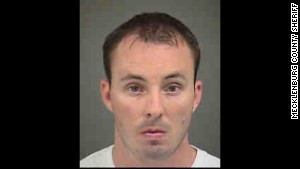


![[icon]](https://en.wikipedia.org/wiki/File:Wiki_letter_w_cropped.svg)

